Blog

A Beginner's Guide to SAP Analytics Cloud (SAC): Understanding Its Three Main Pillars
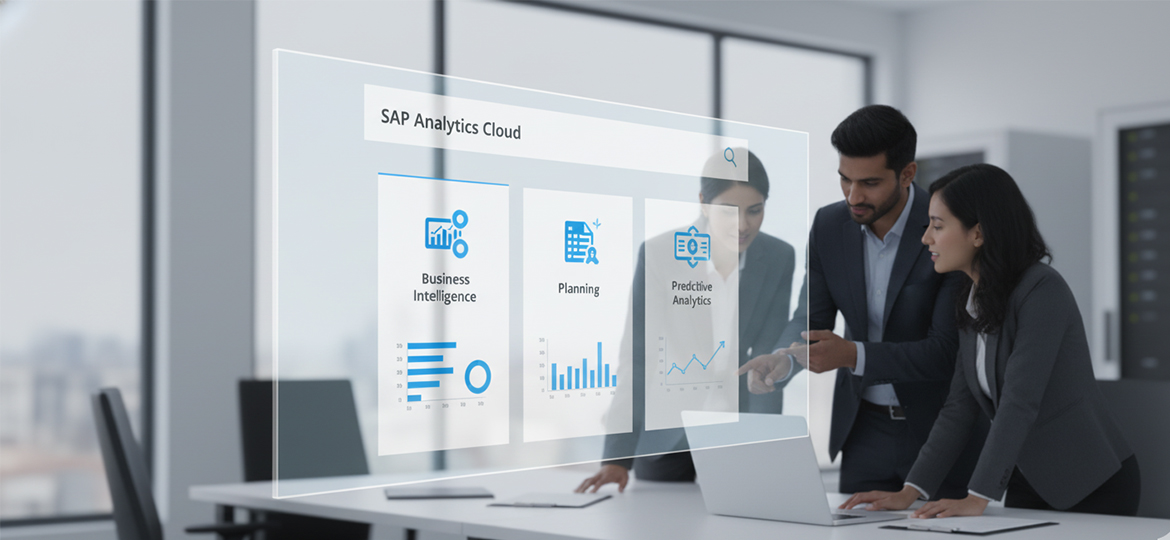
Data is a valuable asset for any company, serving as the foundation for making various business decisions. Therefore, a platform is required to support accurate, real-time, and easily understandable data analysis. One modern solution that meets these needs is SAP Analytics Cloud (SAC).
SAC has three main pillars that beginners need to understand. This article provides an explanation of these three pillars, serving as an introduction to the platform.
What is SAP Analytics Cloud (SAC)?
SAP Analytics Cloud (SAC) is a cloud-based solution from SAP that integrates analytics, planning, and predictive capabilities into a single, unified platform. This technology solution allows users to access data from various sources, perform visual analysis, and support long-term planning and strategy.
The Three Main Pillars of SAP Analytics Cloud
SAP Analytics Cloud has three main pillars that function as key tools. Here is an explanation of each:
1. Business Intelligence (BI) The first pillar of SAC is Business Intelligence (BI). BI tools help users transform raw data into visualized insights that are easily understood by all business stakeholders.
SAC can collect data from various sources, automating processes and eliminating errors. Afterward, users can conduct audits and evaluations using these visualizations.
BI in SAP Analytics Cloud also enables users to analyze data without requiring specialized skills. If data changes, users can monitor it in real-time, allowing for faster decision-making.
2. Business Planning Business Planning is the toolset that makes SAP Analytics Cloud more advanced than standard analytics applications. Leveraging SAC allows companies to connect planning and reporting tools within a single solution, supporting better strategic planning.
Business planning in SAC, supported by machine learning, enables real-time, cross-departmental collaboration. It also includes features like drag-and-drop reporting, automated dissemination, and the ability to create simulations to anticipate specific issues, such as rising material costs.
3. Predictive Analytics The predictive analytics pillar in SAP Analytics Cloud incorporates artificial intelligence (AI). This allows users to identify employee contributions and uncover potential outliers or hidden patterns within the data.
Predictive analytics in SAC is also beneficial for forecasting various sales-related factors, such as trends, market demand, and future inventory needs. This, in turn, helps companies formulate long-term business strategies.
Key Features of SAP Analytics Cloud
Beyond its pillars, it's also important to understand SAC's key features:
Centralized Platform SAP Analytics Cloud acts as a centralized platform, unifying data from multiple sources to create a single, reliable database. This enables broad, sustainable connectivity, helping companies evaluate data comprehensively.
Reporting and Analytics Designer SAC is equipped with "Story Mode" and "Analytics Designer," enabling users to create interactive dashboards without specialized expertise. The platform regularly adds new widgets and features to enhance the user experience and provide advanced tools for analysis.
Predictive Analysis and Machine Learning SAP Analytics Cloud features machine learning that is beneficial for planning and creating precise simulation scenarios. This helps companies identify trends and potential future market changes, allowing them to make informed decisions and implement optimal strategies.
Planning with SAC With SAC, users can create plans tailored to their company's specific needs. SAC supports seamless integration of existing planning data, fostering collaborative and efficient business planning. This data integration allows companies to create more coordinated strategies by combining financial, supply chain, and operational plans within a single solution.
Intuitive Interface (UI) SAC features an intuitive user interface and is optimized for mobile devices, making it accessible to everyone. The SAC UI offers high mobility, allowing users to access critical data and perform analysis anytime, anywhere. Consequently, tasks like updating and reviewing dashboards and reports can be done on the go, enhancing efficiency and responsiveness.
Conclusion
SAP Analytics Cloud (SAC) is built on three main pillars: Business Intelligence, Planning, and Predictive Analytics. It is essential for beginners to understand these pillars to optimally leverage the platform for planning and predicting future business opportunities.
Soltius provides the SAP Analytics Cloud product, which offers the numerous benefits mentioned above. For further explanation, please visit the website www.soltius.co.id.
Other News