Blog

Optimizing SAP System Performance by Archiving Legacy Production Data via SNP in the Manufacturing Industry
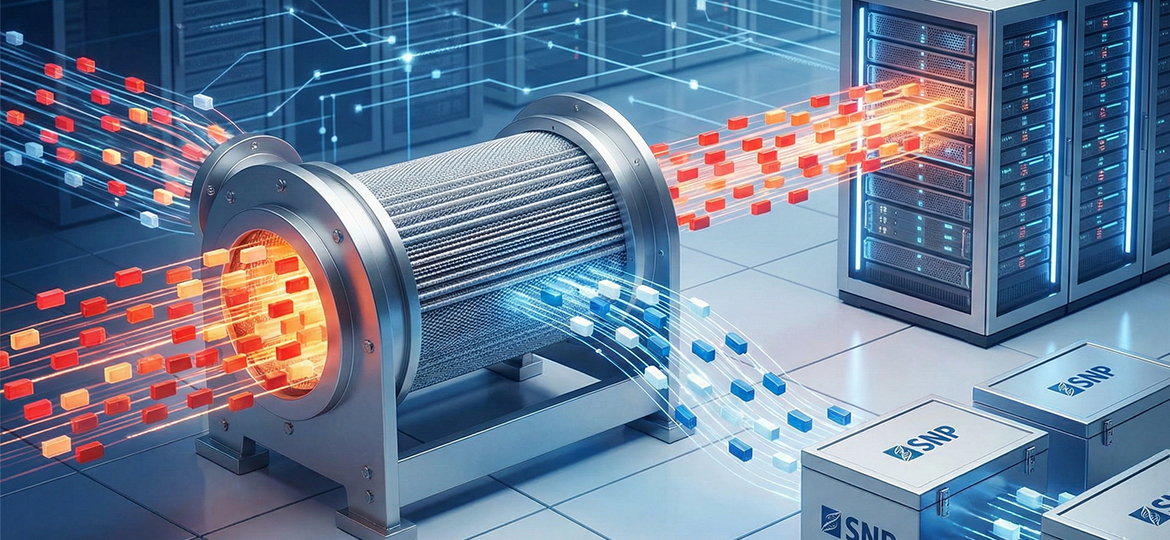
In today’s manufacturing landscape, data is the fuel that drives the wheels of Industry 4.0. However, for many CIOs and IT Managers in the manufacturing sector, the data accumulating within SAP ERP systems often feels more like an unused liability than a valuable asset. The exponential growth of transactional data—ranging from material movements on the factory floor to shipping logs creates a dual dilemma: slowing system performance and skyrocketing infrastructure costs.
Let’s discuss how the Active Archiving approach, using the SNP Outboard ERP Archiving solution, offers a strategic exit from this data congestion, transforming how manufacturing companies manage their information lifecycle.
The Data Paradox in the HANA Era
The transition to SAP S/4HANA promises revolutionary in-memory processing speeds. However, this architecture comes at a high price: DRAM (Dynamic RAM) memory is significantly more expensive than traditional disk storage. Storing historical production data that is rarely accessed within the HANA primary memory is an extreme form of financial inefficiency.
In the manufacturing sector, giant tables such as MSEG (material documents) and RESB (reservations) grow relentlessly. Every barcode scan in the warehouse, every production order confirmation, and every stock transfer between storage bins adds weight to the database. Consequently, crucial processes like Material Requirements Planning (MRP) slow down, month-end stock reports become time-consuming nightmares, and system backup windows expand to the point of disrupting 24/7 factory operations.
Traditional archiving methods using the SAP ADK (Archive Development Kit) often fail to address these challenges. Why? Because the old method moves data into a "digital graveyard" of flat files that are difficult for business users to access again. Resistance from operational teams—fearing the loss of access to historical data—frequently kills archiving initiatives before they even begin.
The "Active Archiving" Approach with SNP Outboard
SNP Outboard changes this paradigm with the concept of Active Archiving. The philosophy is simple yet powerful: Move the physical data, retain the logical access.
This solution moves aged data from expensive production databases to much more economical secondary storage (such as cloud object storage on Azure, AWS, or Google Cloud), while still presenting it to users as if the data were still in the primary database.
When a warehouse manager opens transactions like MIGO or MB51 to view the history of goods movements from five years ago, SNP Outboard intelligently retrieves that data from the cloud archive, decompresses it, and displays it on the standard SAP GUI screen without any visual difference. This transparency eliminates user friction, allowing the IT team to perform aggressive data cleansing without pushback from the business team.
Overcoming Z-Tables in Manufacturing
One of the unique challenges in the manufacturing industry is the prevalence of custom code or Z-Tables. Factories often have specialized tables for weighbridge integration, unique batch management systems, or legacy machine interfaces. These tables frequently lack standard SAP archiving objects and grow uncontrollably.
Manually archiving custom tables requires complex, expensive, and bug-prone ABAP code development. This is where SNP Outboard demonstrates its technical superiority through the Z-Table Automation feature.
This feature acts as an intelligent code generator. The system analyzes the structure of custom tables, identifies data dependencies, and automatically creates archiving programs (Write & Delete programs) without the need for manual coding. A case study at United Farmers of Alberta proved that this feature could slash project timelines from months to weeks, enabling the archiving of custom data previously deemed impossible.
Regulatory Compliance: GMP and FDA 21 CFR Part 11
For manufacturers in the pharmaceutical, food, or chemical sectors, data integrity is a legal mandate. Regulations such as Good Manufacturing Practices (GMP) and FDA 21 CFR Part 11 demand that historical data be stored securely and remain tamper-proof, yet still auditable.
SNP Outboard meets these strict standards through integration with WORM (Write Once Read Many) storage and checksum validation features. Archived data is cryptographically locked, ensuring that production "recipes" or quality logs from 10 years ago remain authentic and identical bit-for-bit to the original data. Legal Hold features and automated retention management also ensure companies do not store data beyond legal time limits (in accordance with GDPR), reducing data liability risks.
Steps Toward Implementation
Unlike ERP implementations that take years, an SNP Outboard project is designed for Rapid Deployment. Based on technical guidelines, a typical project can be completed in 3 to 6 months with clear stages:
-
Analyze and Discover: Identify the top 20 "space-consuming" tables (usually MKPF, BALDAT, MSEG, and Z-tables).
-
Policy Design: Determine retention rules (e.g., data > 2 years old moved to the cloud).
-
Technical Implementation: Installation of the ABAP add-on (no additional servers required) and connection to Cloud Storage via secure HTTP protocols.
-
Historical Execution: Mass cleansing of past data (backlog).
-
Automation: Scheduling routine jobs to keep the system lean forever.
Conclusion: The Foundation of Digital Transformation
Archiving legacy production data is no longer just an option; it is a crucial step for modern manufacturing. With the Active Archiving strategy from SNP Outboard, you not only resolve today’s cost and performance issues but also build a solid Clean Core foundation for future SAP S/4HANA migrations.
Don’t let past data become a burden; turn it into a smart asset that supports your supply chain agility. Let’s discuss how Soltius can accompany your data transformation journey to make it more efficient and ready for future challenges.
Other News