Blog

The Last-Mile Delivery Revolution: Winning Customer Hearts with SAP Transportation Management
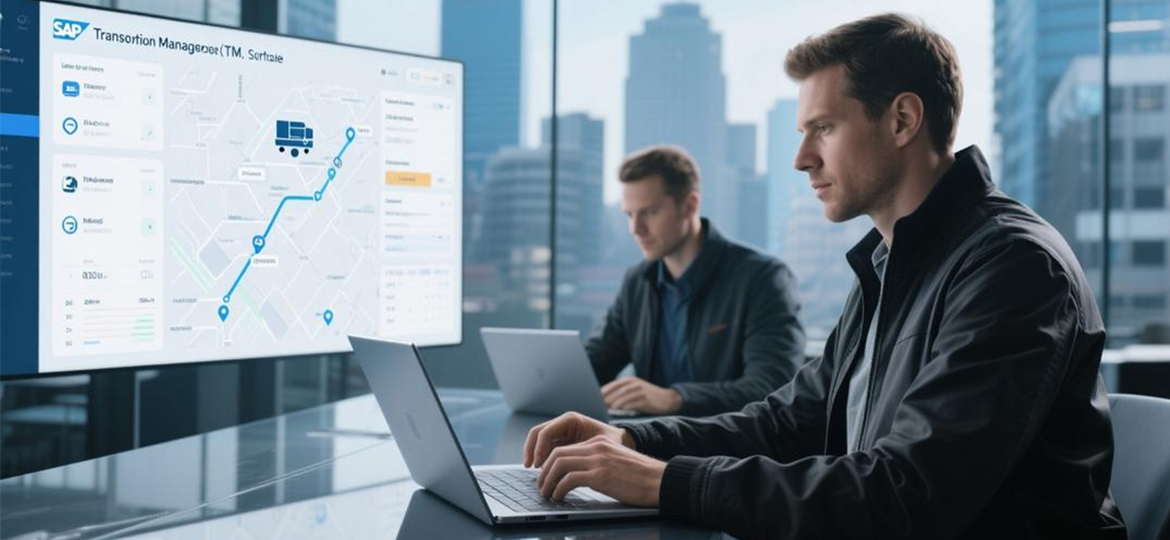
In the rapidly growing era of digital technology and e-commerce, last-mile delivery has become a decisive factor in customer satisfaction. The delivery process from a distribution center to a consumer's address is often costly, full of challenges, and at risk of delays. However, last-mile delivery is also the crucial moment that shapes a customer's perception of a brand.
This is where SAP Transportation Management™ (SAP TM™) plays a strategic role. As a modern transportation management solution, SAP TM™ helps companies optimize last-mile delivery, increase transparency, reduce costs, and win the hearts of customers. This article will discuss how the last-mile delivery revolution can be realized through SAP Transportation Management™.
What Is Last-Mile Delivery?
Last-mile delivery is the final stage of the supply chain: the journey of goods from a distribution center or logistics hub to the end consumer. Although it may seem simple, this is the most complex stage. The challenges include:
-
High costs: The last mile accounts for over 50% of total logistics costs.
-
Infrastructural constraints: Traffic congestion, road access, and transportation limitations.
-
Customer expectations: Consumers want fast, affordable, and flexible delivery.
-
Lack of visibility: Companies often struggle to monitor delivery status in real-time.
Ignoring these challenges can have a detrimental effect on the customer experience and brand loyalty.
Understanding SAP Transportation Management™
SAP Transportation Management™ (SAP TM™) is an end-to-end solution that helps companies manage all aspects of transportation, from planning, execution, and tracking to analytics. For last-mile delivery, SAP TM™ provides special features focused on:
-
Data-driven optimal route planning.
-
Real-time shipment tracking.
-
Integration with logistics partners and third parties.
-
Transportation performance analysis.
By using SAP TM™, companies can deliver shipments that are faster, more transparent, and more cost-effective.
How Does SAP TM™ Revolutionize Last-Mile Delivery?
1. Route and Resource Optimization SAP TM™ uses intelligent algorithms to determine the fastest and most efficient routes. This not only reduces travel time but also lowers fuel costs and vehicle usage.
2. Real-Time Tracking Modern customers want to know the status of their packages at any time. SAP TM™ enables companies to provide real-time tracking that customers can access transparently, increasing trust and satisfaction.
3. Integration with Logistics Partners SAP TM™ supports integration with third-party logistics (3PL) service providers. This allows companies to manage multi-vendor shipments on a single, centralized platform, reducing operational complexity.
4. Transportation Cost Management Through its analytics features, SAP TM™ helps companies understand their last-mile cost structure and identify savings opportunities. This cost efficiency can ultimately be passed on as added value for the customer.
5. Increased Delivery Flexibility SAP TM™ supports flexible delivery options, such as same-day delivery, pick-up points, and customer-selected delivery schedules. This feature provides a more personalized experience that consumers prefer.
Benefits of SAP TM™ in Last-Mile Delivery
Implementing SAP TM™ brings tangible benefits for both companies and customers:
-
Increased Customer Satisfaction: Delivery transparency and flexible options make customers feel more valued.
-
Cost Efficiency: Intelligent route planning and system integration significantly reduce operational costs.
-
Competitive Advantage: Fast and accurate delivery becomes a value-add that differentiates the company from its competitors.
-
Operational Scalability: SAP TM™ can adapt to increasing order volumes without compromising service quality.
-
Better Decision-Making: Data-driven analytics support more effective long-term delivery strategies.
Global Case Studies
Several global logistics and retail companies have leveraged SAP TM™ to improve their last-mile delivery. The results include a reduction in transportation costs of up to 20%, an increase in on-time delivery to over 95%, and a significant rise in customer satisfaction. This proves that SAP TM™ is not just a tool, but an enabler of the modern logistics revolution.
Last-Mile Delivery in Indonesia's Digital Era
In Indonesia, the challenges of last-mile delivery are increasingly complex due to diverse geographical and infrastructural conditions. However, with the growth of e-commerce, consumers in the country are demanding faster and more reliable deliveries. SAP Transportation Management™ is the solution for local companies to overcome these obstacles and compete in the global market.
Conclusion
Last-mile delivery is a crucial point in the supply chain that directly determines the customer experience. By leveraging SAP Transportation Management™, companies can overcome challenges related to cost, transparency, and flexibility in their deliveries. The result is better operational efficiency and higher customer satisfaction.
SAP TM™ is not just about transportation management; it's about winning customers' hearts at every step of the product's journey.
Implementing SAP Transportation Management™ requires an experienced and trustworthy partner. Soltius, as an official SAP partner in Indonesia, is ready to help your company revolutionize its last-mile delivery with the right strategy, measurable implementation, and continuous support.
With in-depth experience across various industries, Soltius ensures that every SAP TM™ solution implemented is tailored to your specific business needs. Contact Soltius today to begin your last-mile delivery transformation and win your customers' hearts with superior delivery service.
Other News