Blog

Here Are 3 Trends in Air Cargo Supply Chain Management that are Important to Pay Attention to!
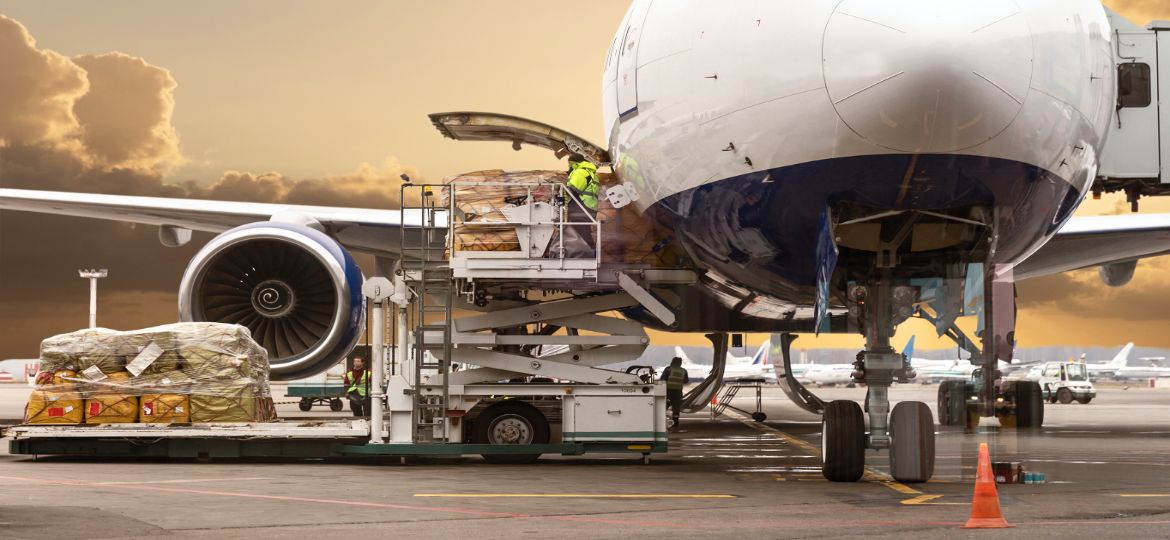
Supply Chain Cargo - The supply chain management of this cargo will continue to develop rapidly. The supply chain has experienced significant developments in recent years. In fact, new technologies are emerging to make the source-to-completion process more efficient for operators and customers. The cargo itself varies, including land, sea and air cargo.
On this occasion, we will discuss the supply chain for air cargo. In essence, for air cargo operations it is used for more than just increasing profits. However, air cargo systems and operators are being used to simplify processes, gather new insights and also provide superior service. The following are some special air cargo supply chain trends that are important for you to pay attention to:
Basic Compliance
If you are an air cargo supply chain manager, in the process you will face many challenges which take up your time, mind and even effort. Moreover, currently operating in a global economy that is constantly changing.
The rate of change driven by modern technology is exponential. It is this progress that makes it possible to bring opportunities that were previously impossible both technologically and economically.
Outdated or old technology can be replaced with smarter technology. The existence of this innovation is very important for success, but operators must pay attention to this important thing. Operators should be able to implement changes in strategies and procedures to comply with best practices or ground rules in the management of the air cargo supply chain.
Artificial Intelligence Technology
Not only social media like Facebook are using this AI but the cargo supply chain is using it too. The AI being developed is an autonomous vehicle, that is, without using a pilot. This predictive technology is so sophisticated that it can even model future situations. This can help people to understand the factors involved in the supply chain.
Cargo Supply Chain Keeps Digital
This cargo supply chain will continue to be digital based. More and more vendors are introducing digital technology in supply chain operations, and the technology offered uses up-to-date technology. The digital age has a strong influence on the management of the air cargo supply chain. Digital-based supply chains have distinct advantages over traditional supply chains.
Digital-based supply chains are much faster, more intuitive and also more connected to various aspects. This digital-based supply chain is able to provide a lot of information. The way is more organized than before. This digital mode won't slow down either.
There will be many benefits that can be obtained by implementing a digital-based cargo supply chain such as faster information, producing real time information so you can see what are the obstacles in the supply chain process. The obstacles that arise can be used as evaluation materials.
With a digital-based supply chain system supporting emerging innovations, you can easily connect with customers and reach new markets at the same speed as your competitors.
To be able to run the cargo supply chain more effectively and efficiently, you need a solution in the form of supply chain software which can manage your supply chain optimally. The cargo supply chain process in your business can be seen clearly using the right software.
You can use SOLTIUS services. We are the best and professional business-based IT solution provider in Indonesia. We have a wide variety of solutions for different business problems. To support the maximum supply chain cargo, we have a solution in the form of a SAP TMS or Transportation Management System, you can reduce transport costs and increase logistical agility, contact us for more information or click the following link: https://www.soltius.co.id/special-offer/integrated-business-planning-software
Other News